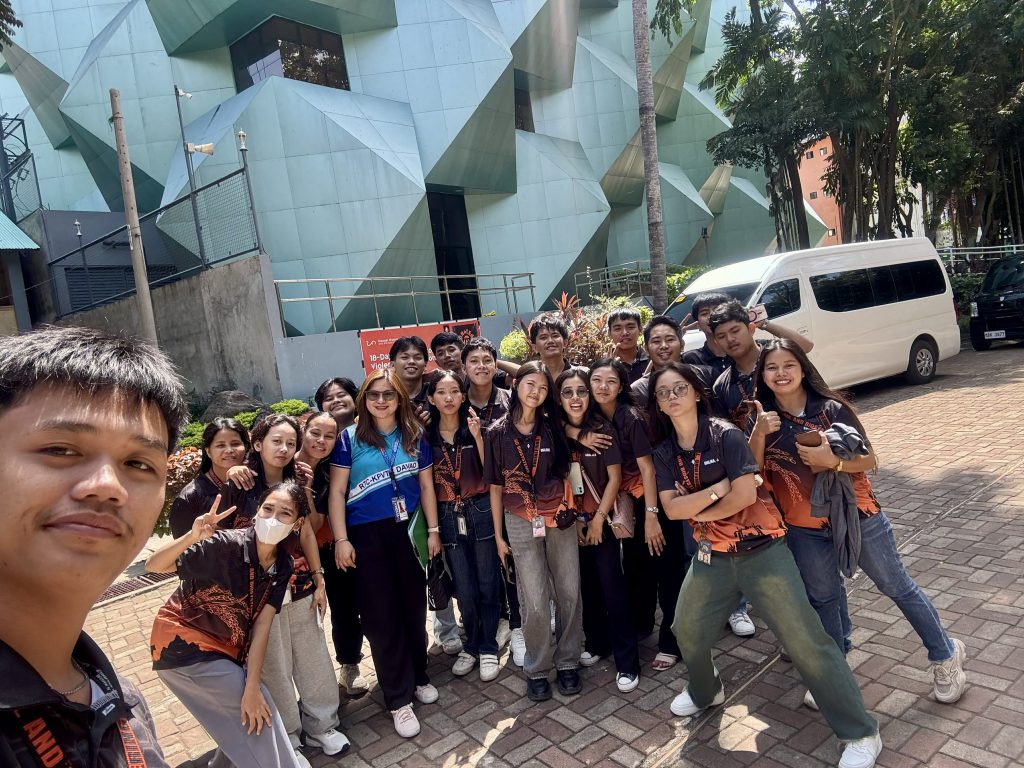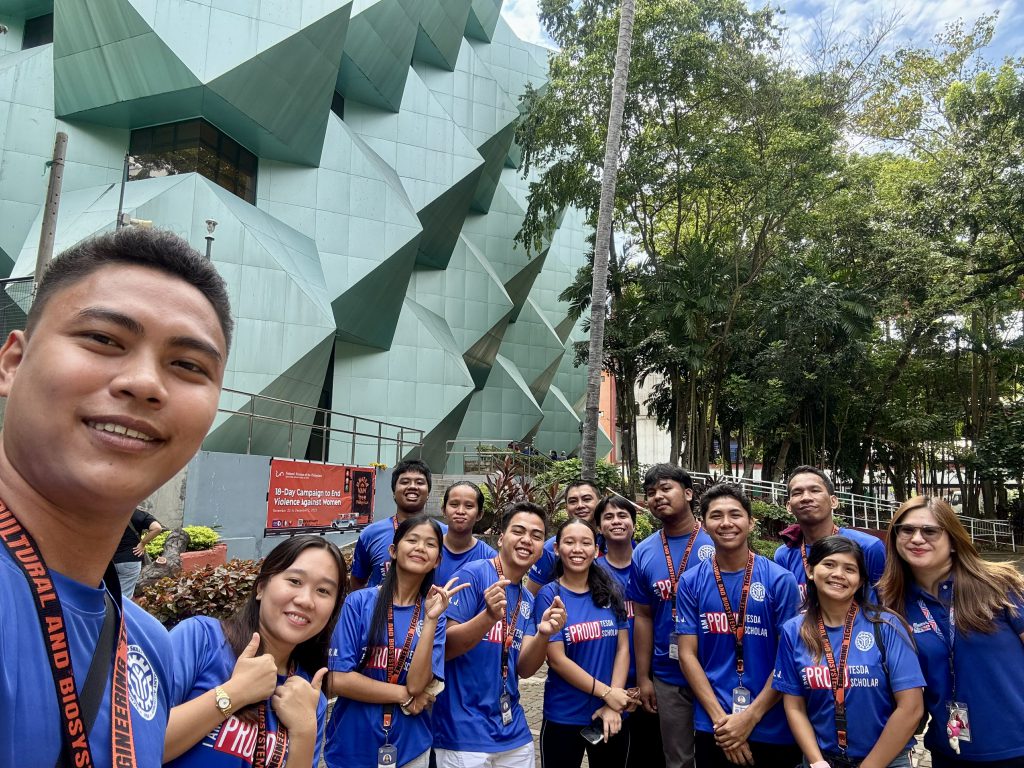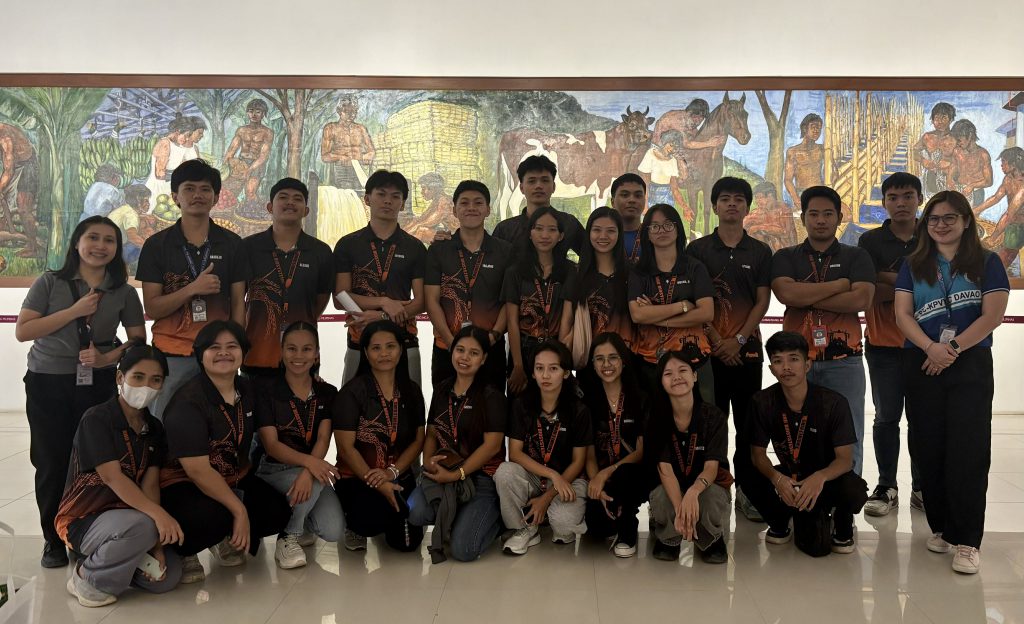
As part of the course requirement for Readings in Philippine History, the Regional Training Center-Korea Philippines Vocational Training Center (RTC-KPVTC), Davao, under TESDA XI, organized a comprehensive guided tour at the National Museum of the Philippines-Davao (NMP-Davao).
The request was formally made through letters addressed to the National Museum with an emphasis that the visit would expose students to the diverse facets of Philippine history, with particular focus on Davao’s culture and heritage. The letters also outlined logistical arrangements, including transportation, supervision, and the use of consent and waiver forms to ensure student safety and clarify institutional responsibility.
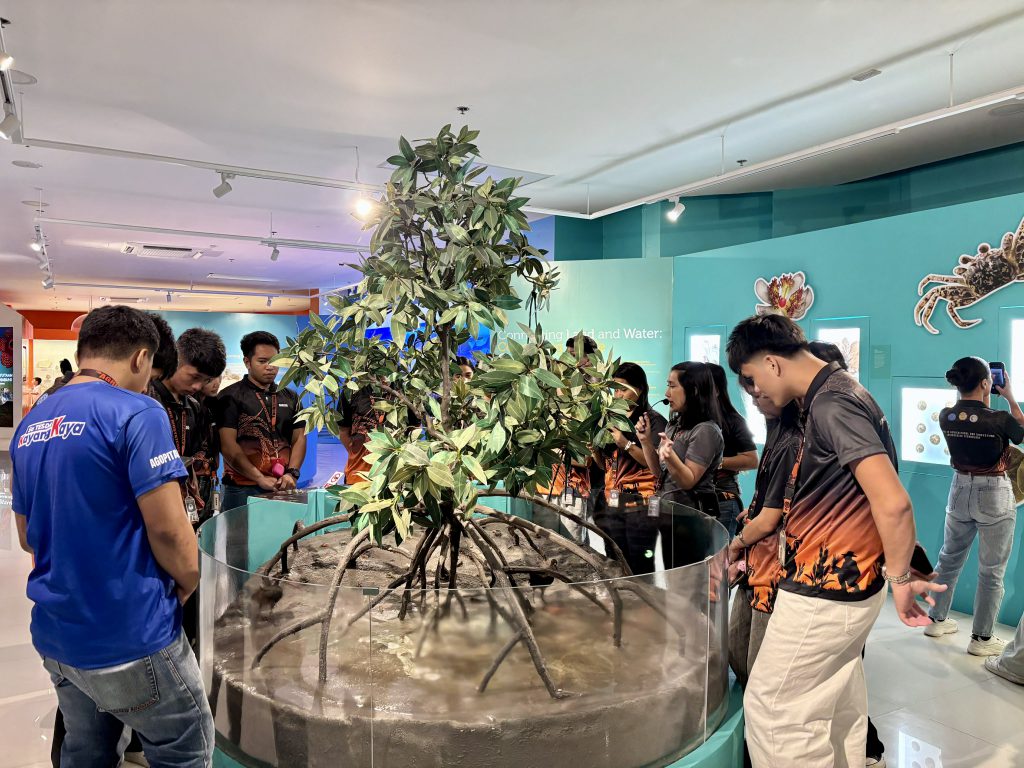
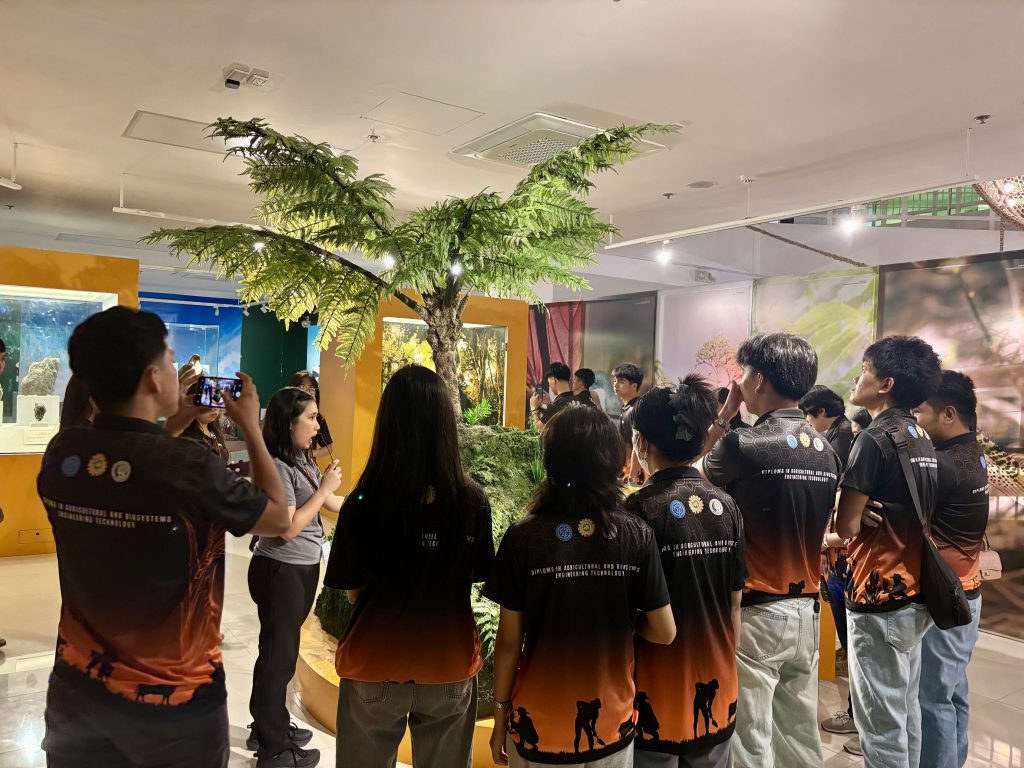
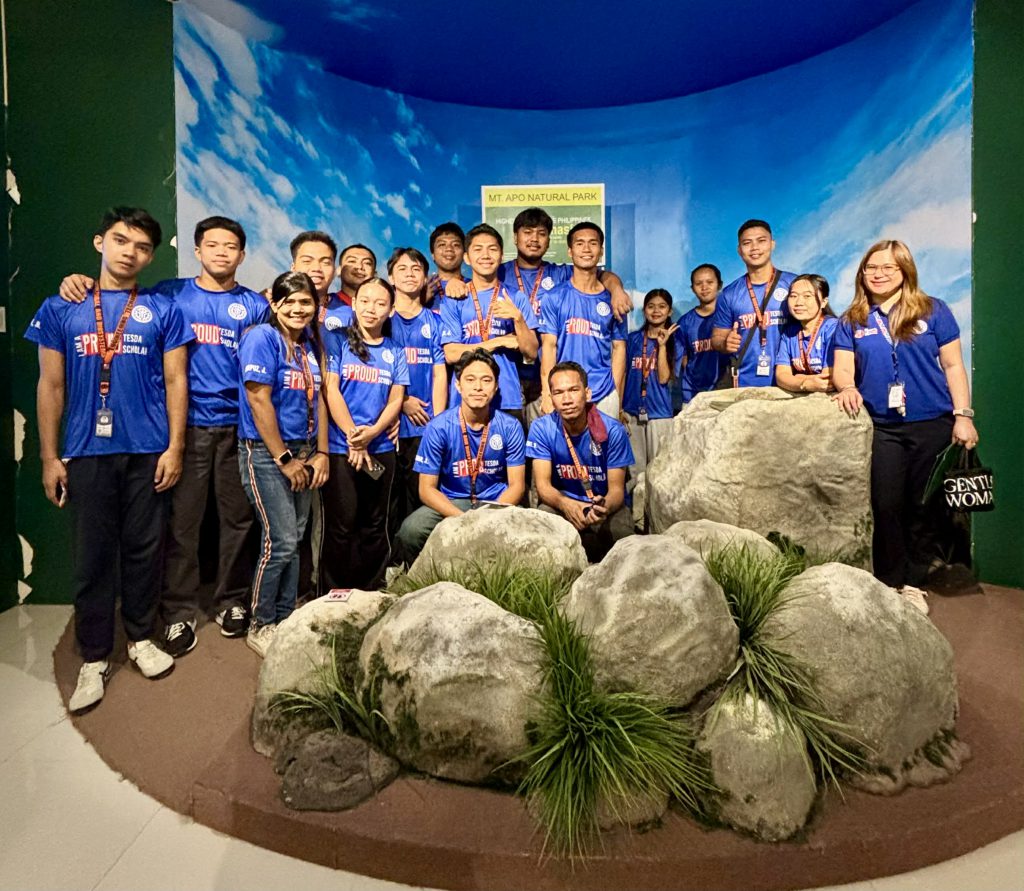
Booking Confirmation Receipts (BCRs) were issued by the National Museum for two batches: Batch 1 with 18 students scheduled on January 20, 2026, and Batch 2 with 21 students scheduled on January 21, 2026, both at 9:00 AM. The museum’s visitor guidelines were attached to the confirmation, reminding participants of admission policies, prohibited items, dress code, and decorum standards.
On January 20 and 21, 2026, a total of 39 first-year DABET trainees successfully completed their guided tours at NMP-Davao. The activity provided students with first-hand exposure to historical artifacts, cultural exhibits, and narratives that reinforced classroom learning.
The visits highlighted the importance of bridging theory with lived experience. Students expressed appreciation for seeing history “come alive” beyond textbooks, noting how the museum’s collections deepened their understanding of Davao’s role in the broader national story. The initiative also strengthened institutional collaboration between RTC-KPVTC, Davao and NMP-Davao, ensuring that technical education is complemented by cultural literacy and civic awareness.
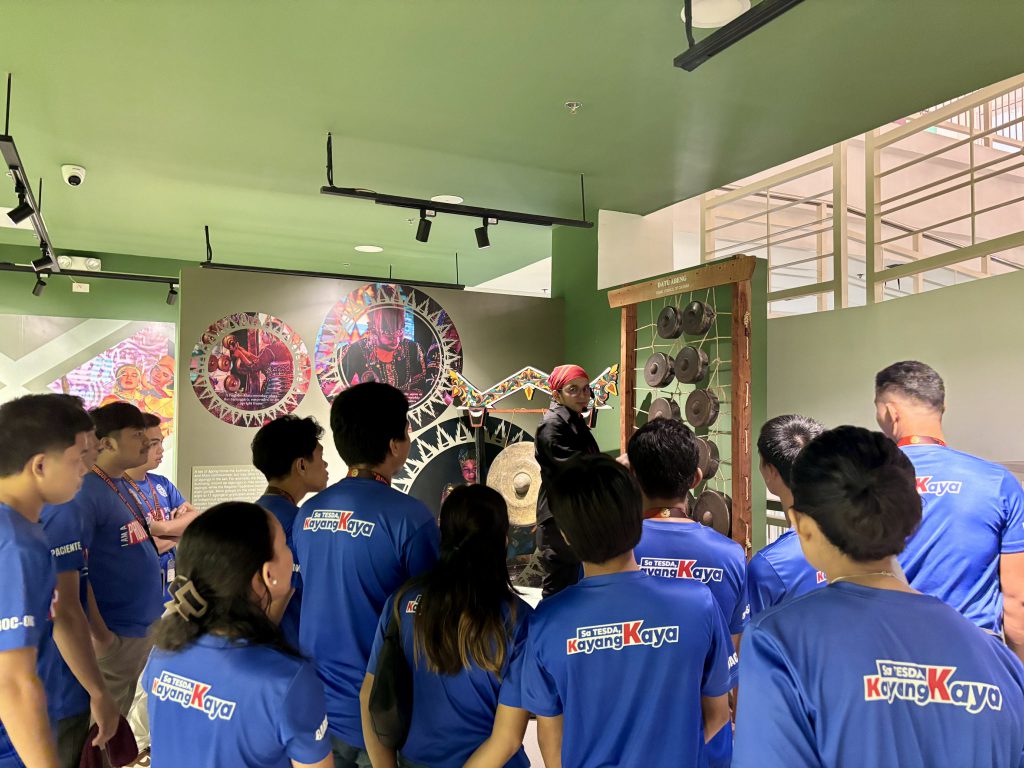
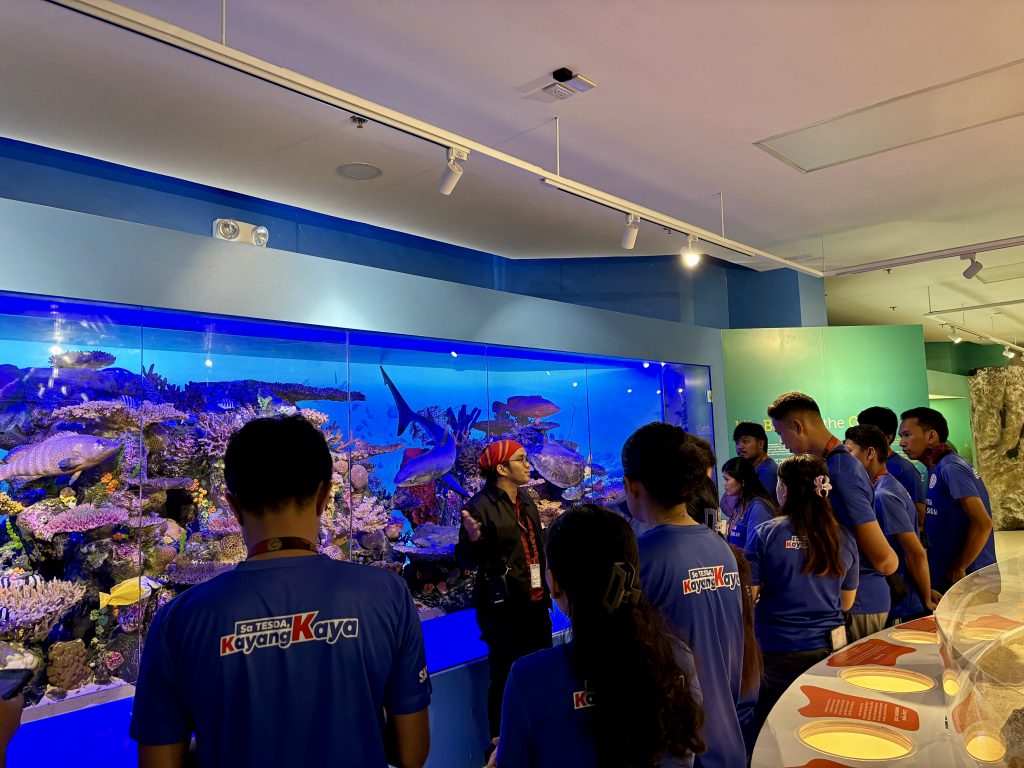
This is more than just a requirement but it is also about helping students see themselves as part of a larger story, one that calls them to preserve and promote our national patrimony.
The successful conduct of the museum visits symbolized not only the fulfillment of academic requirements but also the Center’s commitment to producing future-ready professionals who are grounded in history, culture, and community values.